Как работи микровълновият миксер?
Остави съобщение
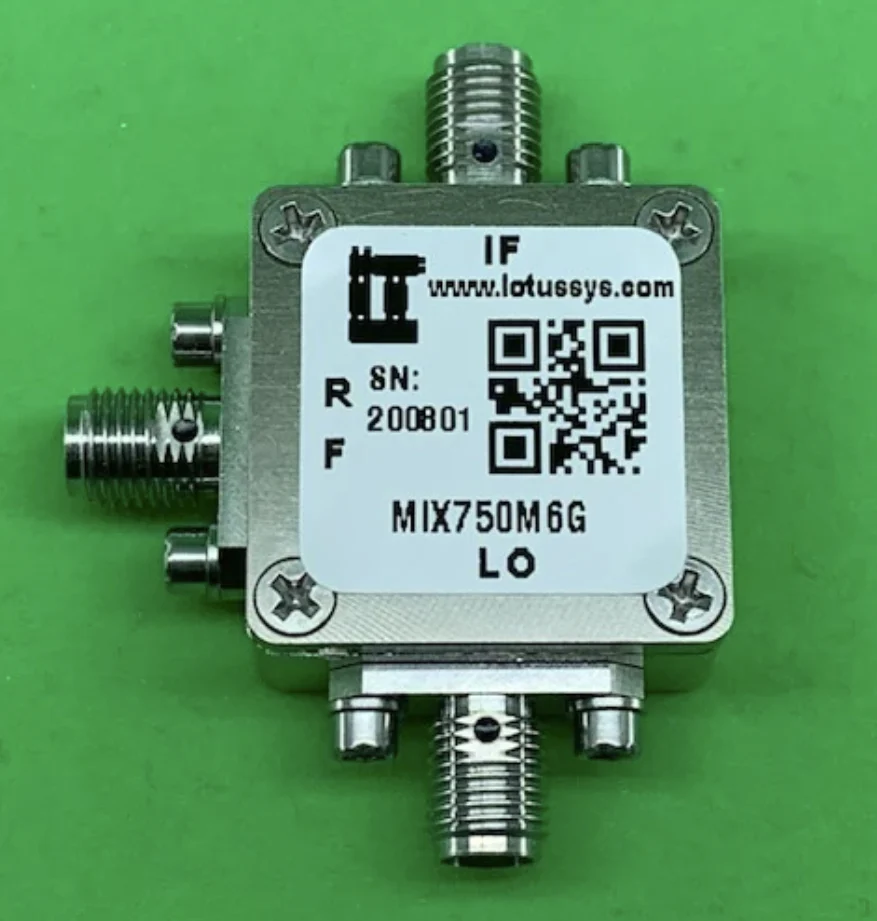
Ето опростено обяснение как работи микровълновият миксер:
1. ** Входни сигнали **: Микровълновият миксер обикновено има два или повече входни порта, всеки от които носи входен сигнал . Тези входни сигнали могат да имат различни честоти, амплитуди и фази, в зависимост от приложението .
2. **Nonlinear Element**: The core of a microwave mixer is a nonlinear element, such as a diode or transistor. This nonlinear element is responsible for the mixing process. When biased properly, the nonlinear element exhibits nonlinear behavior, meaning its output is not directly proportional to its input.
3. **Nonlinear Operation**: When the input signals are applied to the nonlinear element, they cause it to operate in a nonlinear region of its characteristic curve. In this region, the nonlinear element produces new frequency components at the sum and difference frequencies of the input signals. These new frequency components are the desired output of the миксер .
4. **Filtering**: The output of the mixer contains multiple frequency components, including the original frequencies of the input signals and the sum and difference frequencies. In many applications, only the sum or difference frequency component is of interest. Therefore, the output of the mixer is typically passed through a filter to select the desired frequency component while rejecting unwanted честоти .
5. ** Изход **: Филтрираният изход на миксера съдържа желания компонент на честотата, който може да бъде обработен допълнително или използва в съответствие с изискванията на приложението .
Като цяло работата на микровълнов смесител разчита на нелинейното поведение на основния му елемент, за да извърши честотно смесване и да произвежда изходни сигнали с честоти, които са сумата или разликата на входните честоти .